April 30, 2026
Maintaining a reliable water supply is a fundamental aspect of homeownership, yet the mechanisms that provide this resource often remain out of sight and out of mind until a problem occurs. Recognizing the early warning signs that your well pump system is beginning to fail can save you from the stress of a total water loss and the high costs associated with emergency plumbing interventions. By staying proactive and observant, you can ensure that your family continues to enjoy consistent access to clean, pressurized water without the looming threat of sudden equipment failure or systemic collapse.
Monitor Water Pressure Fluctuations
Inconsistent water flow is frequently the first tangible evidence that your well pump system is struggling to meet the demands of your household. If you begin to notice that the water pressure at various fixtures seems to pulse or fluctuate without a clear cause, it usually points to a mechanical issue deep within the well or a failing pressure tank. These variations make daily chores like washing dishes or taking a shower frustrating and unpredictable, as the steady stream you expect is replaced by a sputtering or weak flow.
Low pressure during times of peak usage is another major red flag that the current setup can no longer keep up with your family’s needs. When multiple faucets, showers, or appliances are running at once, an aging or undersized pump will often fail to maintain the necessary force to push water through the pipes effectively. This struggle often signifies that the internal seals or valves are degrading, allowing pressure to bleed off rather than reaching your taps.
Listen for Persistent Strange Noises
Mechanical components within a well pump system are designed to operate relatively quietly, so any new or loud sounds should be treated as an urgent warning. Grinding or screeching noises typically suggest that the bearings are worn out or that internal parts are beginning to rub against each other due to misalignment. If these auditory signals are ignored, the friction can generate intense heat, leading to a total seizure of the motor.
Air leaks can also create distinctive noises, such as whistling or hissing, which indicate that the system's integrity has been compromised. These leaks often occur at loose connections or through cracked seals, allowing air to enter the water lines and create a spitting effect at the faucet. Beyond the annoying sound, air infiltration makes the pump work much harder than necessary to move water, which accelerates the wear on the motor and the pressure tank.
Evaluate Sudden Increases in Utilities
A significant and unexplained jump in your monthly electricity bill is often a hidden symptom of a failing well pump system. As the internal components of the pump age, they become less efficient, requiring more energy to move the same volume of water that they once moved with ease. This decreased efficiency means the motor must run for longer periods or work at a higher intensity to satisfy the pressure switch settings. By tracking your energy usage over several months, you can spot these trends early and realize that the extra money you are paying the power company could be better invested in a more modern, energy-efficient pumping solution.
Motor overheating is a primary driver of these rising costs, as a struggling motor will pull a higher electrical load while generating excess waste heat. This phenomenon often occurs when the pump is fighting against a blockage, a failing check valve, or its own internal mechanical resistance. Because the pump is located deep underground or in a specialized housing, you might not feel the heat, but you will certainly see the impact on your utility statements.
Inspect Your Tap Water Quality
The appearance and taste of your water can provide valuable insights into the physical state of your well pump system and the well itself. If you start to see sand, grit, or sediment in your sinks and tubs, it may indicate that the pump is sitting too low in the well or that the well screen has become damaged. This debris is not just a nuisance; it acts as an abrasive that can quickly grind down the internal impellers of your pump. Once the internal hardware is scarred by sediment, the pump's ability to create pressure drops significantly, leading to a cascade of other mechanical failures that eventually necessitate a full system overhaul.
Murky or discolored water can also suggest that the pump is no longer filtering or drawing water correctly from the cleanest parts of the aquifer. While water quality can change due to environmental factors, a sudden shift often correlates with a pump that is no longer operating at its peak designed depth or efficiency. Over time, the buildup of minerals or biological growth inside the pump housing can contaminate the flow, leading to odors or metallic tastes.
Watch for Short Cycling Patterns
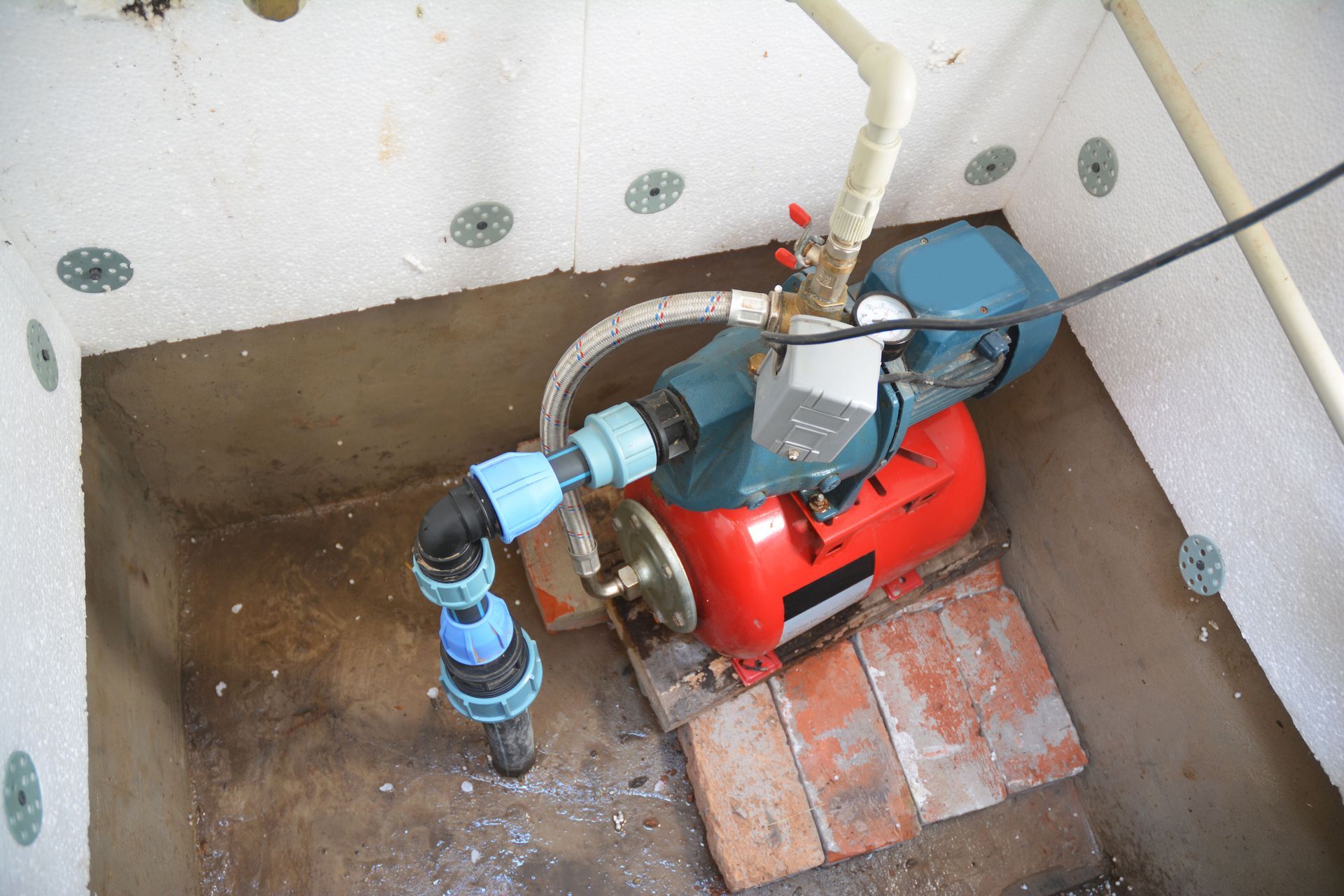
Frequent start and stop cycles, often referred to as short cycling, are a clear indication that the balance between your pump and your pressure tank has been lost. In a healthy well pump system, the pump should run for a set duration to fill the pressure tank and then remain off until the water level in the tank drops below a certain point. If you hear the pump clicking on and off every few seconds or minutes, even when very little water is being used, the system is under extreme duress.
This behavior is often caused by a waterlogged pressure tank that has lost its internal air bladder or a faulty pressure switch that is no longer accurately reading the system's needs. Regardless of the specific cause, the result is the same: the pump is forced to work exponentially harder than it was designed to. Correcting these cycle issues promptly can sometimes save the pump, but if the cycling has been occurring for a long duration, the internal damage is likely already done.
Assess the Physical Equipment Age
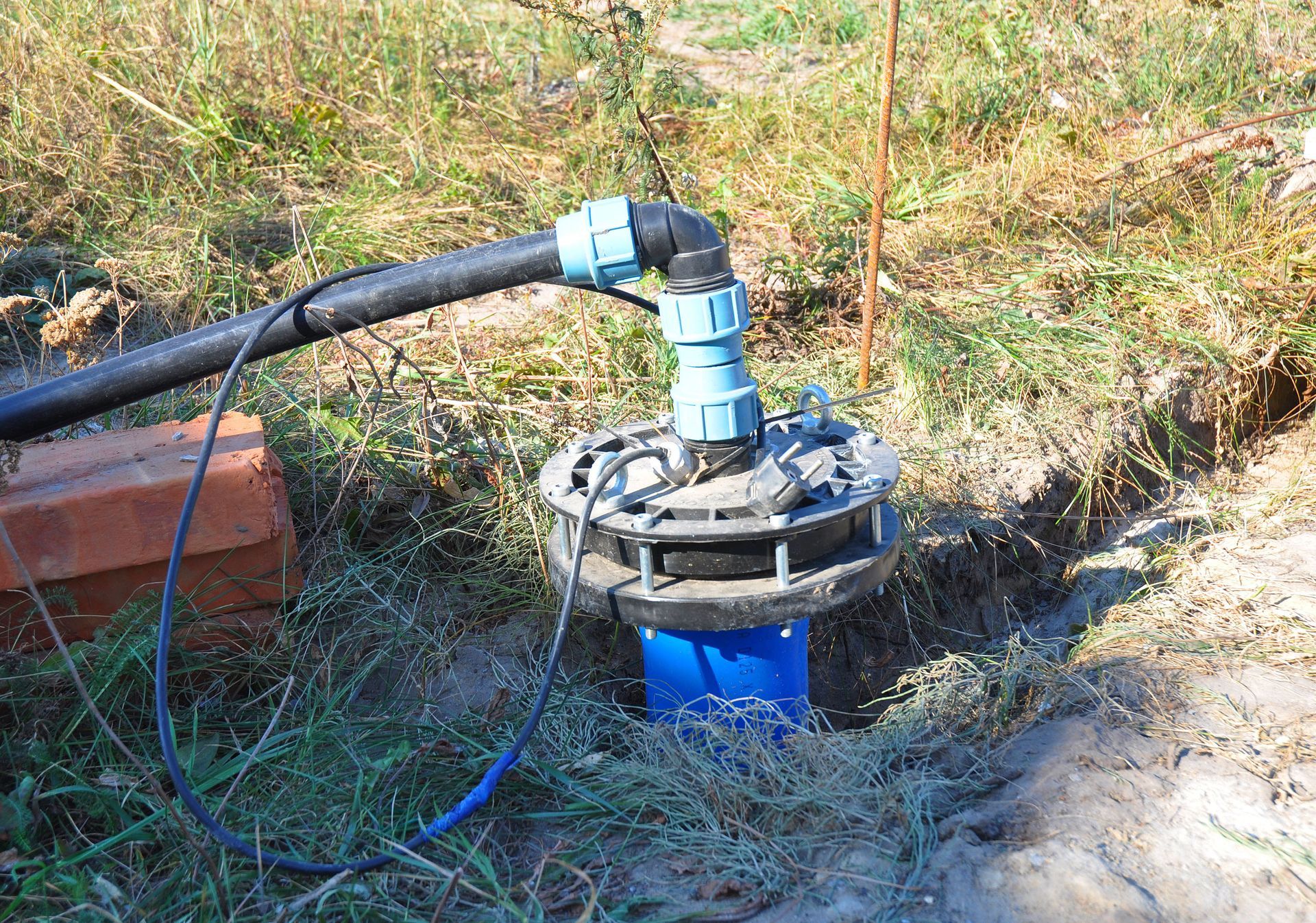
The age of your hardware is perhaps the most reliable predictor of when you will need to invest in a new well pump system. Even the highest-quality pumps are subject to the laws of physics, meaning that years of submersion in water and constant mechanical movement will eventually take their toll. According to HomeGuide, it is wise to think about a total replacement when a unit exceeds 10 to 15 years in age, particularly if that unit has required multiple professional repairs recently.
Corrosion and mineral scale are the silent enemies of older systems, slowly eating away at the casing and internal gears over several years. As these parts thin or become brittle, the risk of a catastrophic breach increases, which could lead to water contamination or a pump that becomes stuck in the well casing. It is much easier to replace a pump that is still somewhat functional than to try and fish out a disintegrated unit that has fallen to the bottom of the well.
Maintaining a vigilant eye on the performance and age of your water delivery hardware is essential for avoiding the chaos of a dry home. From noticing small changes in tap pressure to hearing new mechanical noises, the signs of failure are almost always there if you know how to look for them. Replacing an aging well pump system before it fails completely ensures that your household remains functional and that your water stays clean and plentiful. Contact us at Allstate Plumbing & Well Pumps to ensure the long-term reliability of your home’s water source.